
Add Row
Add Element
cropper
update
Gulf Of America Luxury Living
update
Add Element
  • Home
  • Categories
    • luxury
    • homes
    • lifestyles
    • design
    • travel
    • events
    • boating
    • national parks
    • food
    • wildlife
    • Entertainment
    • boating
    • Politics
    • sharks
May 06.2025
3 Minutes Read

Arizona Bill Mandates Schools to Teach About Gulf of America

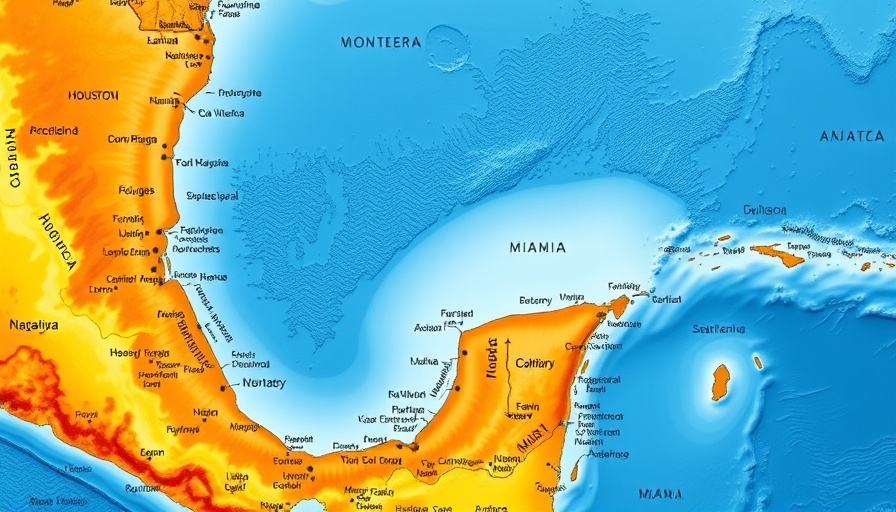
Map of Gulf of America with major cities highlighted.

Arizona's Bold Move: Teaching the Gulf of America

In a landmark decision that has sparked both intrigue and debate, Arizona's House of Representatives has passed a bill requiring schools across the state to educate students on the yet-to-be-defined 'Gulf of America.' This initiative aims to foster a deeper understanding of marine geography and the broader implications of environmental stewardship among young learners. As states grapple with integrating relevant and impactful educational content into curriculums, Arizona's bill stands out as an interesting case.

History Meets Geography: What is the ‘Gulf of America’?

The term 'Gulf of America' is relatively new and arguably controversial, invented during former President Donald Trump's administration. This geopolitical rebranding effort aimed to highlight the importance of U.S. coastlines and reinforce national pride. Many supporters of the bill argue that incorporating this subject into school education will not only instill a sense of respect for aquatic ecosystems but also encourage discussions around climate change and conservation efforts. However, questions remain about its geographical accuracy and educational value.

Educational Impact: Why Curriculum Development Matters

With states increasingly focused on improving educational standards, Arizona's legislation raises questions about curricular relevance. By insisting that schools teach about the Gulf of America, state representatives emphasize the importance of updated geographical and environmental education. Critics have pointed out that while marine education is crucial, the specifics of what constitutes the Gulf of America could be unclear to educators. This ambiguity opens the door for debates on how geography should be taught, in tune with both scientific consensus and political narratives.

Cultural Reflections: The Broader Implications of Teaching Geography

In discussing the Gulf of America, it’s essential to evaluate how political narratives shape public perception and education. Teaching such a concept could accentuate ideological divides, depending on the interpretive lens through which students learn. Cultural attitudes and local contexts will impact how students understand more abstract terms like the Gulf of America, thus requiring educators to tread carefully in their lesson plans.

Looking Ahead: Future Trends in Educational Policy

As Arizona moves forward with this educational initiative, it offers a glimpse into potential national trends in educational policy. Schools nationwide might be prompted to re-evaluate and adapt their curricula to meet evolving political and environmental discussions. Such adaptations could encourage a generation that champions not just knowledge but action regarding marine and ecological preservation. This outlook aligns with recent pushes by educators to include climate literacy and environmental responsibility in teaching.

Actionable Insights: Engaging Students with Geography and Conservation

For educators, the challenge will be to design lessons that not only cover the statutory requirements of teaching about the Gulf of America but also encourage critical thinking and engagement with real-world environmental issues. Projects involving local marine biology, conservation, or field trips to oceans could be powerful tools to enhance students’ connections with the curriculum. Furthermore, understanding the geopolitical implications of such lessons will ensure that students get a well-rounded perspective.

In conclusion, Arizona’s requirement for schools to teach about the Gulf of America emerges as both an innovative challenge and an opportunity for rich dialogue about environmental education. Engaging with such topics will prepare students for the complexities of the world they will navigate as adults. As this initiative unfolds, its implications for teaching may inspire a ripple effect across other states eager to enrich their own educational frameworks.

Politics

3 Views

0 Comments

Write A Comment

*
*
Related Posts All Posts
01.20.2026

Beacon Offshore Energizes Gulf with Zephyrus Field Production Startup

Update The Launch of the Zephyrus Field: A Strategic Move for Beacon OffshoreIn a notable development for the U.S. offshore energy sector, Beacon Offshore Energy LLC has officially kicked off production operations at the Zephyrus field, located in the Gulf of Mexico, which has recently been designated as the Gulf of America. This move signifies more than just the operational startup of another oil field; it exemplifies the increasing reliance on subsea infrastructure and advanced technologies within the energy industry. Background and Importance of the Zephyrus FieldThe Zephyrus field, developed as a subsea tieback project, is situated approximately 130 miles southeast of New Orleans in the productive Mississippi Canyon Block 759. This strategic location, known for its rich oil deposits, is becoming increasingly crucial as energy demands intensify globally. With water depths soaring between 3,100 and 3,600 feet, advancements in drilling technology have made this project possible, signifying a pivotal point for undersea oil extraction efforts. Technological Innovations Enhancing ProductionDrilling for the Zephyrus field began with the discovery well, Zephyrus #1, in 2023, where oil was found in the Middle Miocene Cris “I” aged M2 sand. Beacon Offshore has partnered with major industry player Shell Offshore Inc. to maximize efficiency in the production process. The integration of a high-tech High Integrity Pressure Protection System in the subsea tieback not only aims to lower carbon emissions but also reduces overall development costs. Such innovations promise to expedite the time to first oil, enhancing both economic viability and environmental sustainability. Future Outlook: What This Means for the Energy SectorFollowing the first well's positive results, a second well—Zephyrus #2—was drilled to a total depth of 26,270 feet, uncovering an additional 116 feet of net pay. Completion of this well is underway, with plans for production beginning by early 2026. As Beacon collaborates with various partners including Houston Energy and Murphy Exploration & Production, the outlook for energy production in this region is promising, potentially leading to increased energy security not just for the U.S. but also for global markets dependent on Gulf Coast production. Environmental Considerations and Industry ChallengesDespite the optimistic outlook, the offshore oil and gas industry faces ongoing scrutiny regarding environmental impacts. As companies like Beacon advance into new drilling projects, they must navigate both regulatory landscapes and the public's concerns about climate change. Striking a balance between increased production and environmental stewardship will be crucial as this sector evolves. Conclusion: The Road Ahead for Energy ProductionAs production ramps up at the Zephyrus field, the implications for both the U.S. energy market and broader environmental concerns will come into sharper focus. This project not only reflects technological advancements and partnerships that define the industry today but also underscores the challenges faced in a world increasingly focused on sustainability. The Zephyrus field could yet become a beacon of innovation while reminding stakeholders of their responsibilities towards a greener future.

01.17.2026

US Lawmakers Clash Over Rigs-to-Reefs Regulations: What's at Stake?

Update The Future of Decommissioned Oil Rigs: A Hot Debate in CongressIn recent congressional hearings, U.S. lawmakers are wrestling with critical changes regarding the regulation of decommissioned oil rigs and their role as potential artificial reefs. The Marine Fisheries Habitat Protection Act is at the forefront of this discussion, aiming to streamline regulations associated with transforming these aging structures into thriving marine habitats. Since the National Fisheries Enhancement Act was passed in 1984, energy companies have been incentivized to turn disused oil rigs into artificial reefs, creating vital ecosystems that benefit marine life and enhance local fisheries.Proponents argue that the existing bureaucratic hurdles posed by federal regulations have significantly stunted the potential growth of the Rigs-to-Reefs Program. Representative Pete Stauber (R-Minnesota) emphasized that these platforms evolve into essential marine habitats shortly after their construction, acting as natural fish nurseries. Without intervention, many rigs simply become costly liabilities, generating environmental concerns and economic loss.Environmental Implications: A Double-Edged SwordHowever, not all lawmakers are on board with the proposed changes. Critics argue such legislation could weaken regulatory oversight, raising alarms about potential environmental hazards. Representative Yassamin Ansari (D-Arizona) voiced concerns that easing restrictions might shift cleanup responsibilities from oil and gas companies to taxpayers. She cited estimates of cleanup costs that could soar into tens of billions, underscoring the risks associated with neglecting these aging infrastructures.While enhancing marine habitats is a significant goal, the potential for companies to skirt their decommissioning obligations poses an equally pressing concern. The trade-off raises questions about accountability and the environmental stewardship these companies should uphold.Global Perspectives: Learning from International PracticesThe U.S. is not alone in grappling with this issue. Around the world, countries are evaluating how best to manage decommissioned oil rigs. For instance, nations like Malaysia have successfully turned old oil platforms into tourist attractions while others, such as Australia, are considering similar practices without formalized rigs-to-reefs programs. This porous regulatory fabric highlights the need for a structured approach, addressing both economic and environmental aspects across various jurisdictions.The stakes are high, both economically and ecologically. In regions like the Gulf of Mexico, where the fishing industry is integral to community livelihoods, the balance between responsible decommissioning and habitat preservation is critical. Ongoing discourse parallels insights from biologists, including those from California, emphasizing the ecological roles of these structures. As some studies suggest, these rigs may inadvertently foster vibrant ecosystems that could serve as a lifeline for struggling fish populations.Public Sentiment and Stakeholder Interests: A Call to ActionThe fate of decommissioned oil rigs impacts more than just oil companies and lawmakers; it resonates with fishermen, environmental advocates, and local communities. The public must remain engaged, urging lawmakers to find a sustainable solution that offers a balance between economic benefits and environmental safety. Those interested in the future of marine habitats, fishing industries, and environmental advocacy must voice their opinions and support initiatives prioritizing ecological integrity alongside economic viability.As these discussions unfold, it becomes increasingly clear that our approach to managing decommissioned oil rigs will shape the future of not just marine environments, but also the local economies that rely on these vital ecosystems. By addressing the underlying issues with a collaborative spirit, policymakers can pave a way forward that brings together varied perspectives to accomplish a shared goal: sustainability.

01.16.2026

What’s Next for the Infamous Yacht Abandoned on the Texas Coast?

Update The Mystery of the Abandoned Yacht On the glistening beaches of Texas, a once-luxurious yacht has taken on an infamous role as a strange landmark. The vessel, which has been anchored off the coast of Galveston, captivated locals and tourists alike since it mysteriously appeared. The dilapidated yacht, often referred to as the 'Great White Whale' due to its weathered appearance and faded glory, raised questions about property rights and environmental impacts. What Happened to the Yacht? Local authorities announced that they are considering the next steps regarding this abandoned vessel. After receiving numerous complaints about the yacht's condition and the potential hazards it poses to beachgoers, officials are now pushing for its removal. This situation highlights the often complicated overlap of maritime laws and environmental stewardship. The Local Community's Reaction For the residents of Galveston, this yacht has become a curious symbol over the past few months. Some see it as a unique photo opportunity, while others regard it as a dangerous eyesore. "It’s like a ghost ship. You can't help but wonder what happened to the people who owned it," says Sarah, a local resident. The mixed feelings surrounding its presence have led to lively discussions in the community. Environmental Concerns and Legal Complexities As officials consider the yacht’s fate, they grapple with environmental concerns. Abandoned boats can leak fuel and oils, which pose risks to the local marine habitat. Environmental advocates argue that swift actions must be taken to ensure that the removal process is environmentally friendly, weighing the risks of leaving the vessel against the difficulties of removal. Future of the Great White Whale The fate of the yacht seems uncertain at this point. Town hall meetings are scheduled to gather community feedback and outline the costs associated with the removal. Meanwhile, officials are expected to decide whether to auction it off, offer a salvage opportunity, or remove it entirely. Whatever the decision, the situation reflects broader issues related to abandoned vessels along coastlines around the nation. Why It Matters This case exemplifies ongoing debates in coastal management and property rights, prompting discussions about the balance between preserving public spaces and managing private property. As the waves crash along the Texas shore, the story of this yacht serves as a reminder of the complexities behind every seemingly simple piece of maritime history. Join the discussion: How would you feel if this yacht was in your local waters? What steps do you think should be taken regarding abandoned vessels?

Terms of Service

Privacy Policy

Core Modal Title

Sorry, no results found

You Might Find These Articles Interesting

T
Please Check Your Email
We Will Be Following Up Shortly
*
*
*