Add Row
Add Element
cropper
update
Gulf Of America Luxury Living
update
Add Element
  • Home
  • Categories
    • luxury
    • homes
    • lifestyles
    • design
    • travel
    • events
    • boating
    • national parks
    • food
    • wildlife
    • Entertainment
    • boating
    • Politics
    • sharks
June 16.2025
3 Minutes Read

Explore Shark Camp: A Summer of Fun and Education Awaiting You

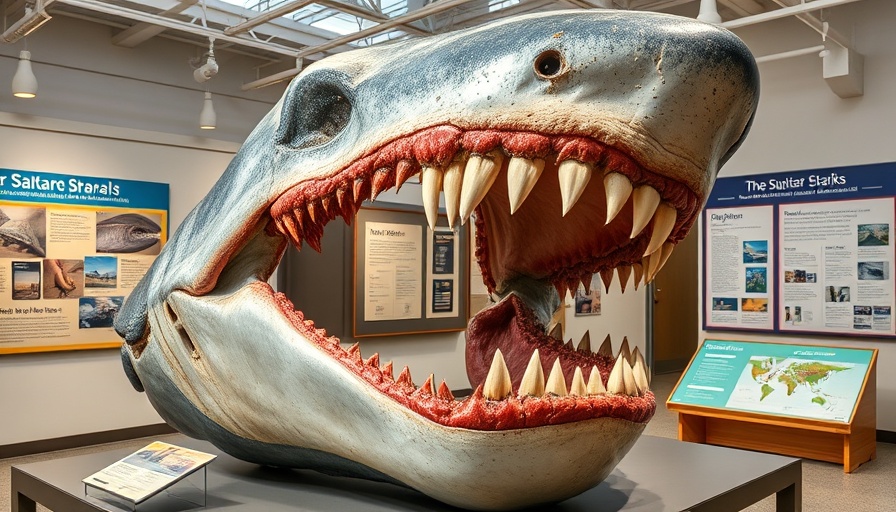
Shark Camp at Museum of the Gulf Coast exhibit featuring a large shark jaw and informational displays.

Shark Camp Unveils Exciting Summer Activities

The Museum of the Gulf Coast, located in Port Arthur, Texas, is making waves this week with its unique Shark Camp, which commenced on June 16th and runs through June 20th. Designed for families and young enthusiasts, this program offers a deep dive into the world of sharks, featuring interactive lessons and hands-on activities every morning from 10 AM to 12 PM. It's a fantastic opportunity for children and their parents to learn about marine life while enjoying the sun-soaked summer days. However, a quick note for attendees—the museum will close for a day on June 19th in honor of Juneteenth.

Educational Fun with a Local Celebrity

One of the highlights of Shark Camp includes a special event on Saturday—Family Fun Day: Great White Sharks in the Gulf. The event will feature a documentary presentation by Chester Moore, a local sportsman and devoted shark journalist, known for promoting awareness and educational initiatives about marine life.

Moore, along with education coordinator Dana Howard, has been instrumental in shaping the program to not only entertain but educate kids and families about the importance of sharks in the ecosystem. “Sharks are misunderstood creatures,” Moore stated during a recent interview. “Through our camp, we aim to foster a love for marine biology and conservation among the youth.” This hands-on approach combining fun and education is what the camp hopes to achieve.

Why Shark Education Matters

Sharks are often seen as fearsome predators, mostly known due to sensationalized media and unfortunate shark attacks. However, educating the public about shark behavior, their habitat, and ways to safely enjoy water activities can dramatically shift perceptions. Furthermore, understanding their role in the marine ecosystem can inspire a collective effort toward their conservation.

Interestingly, experts warn of growing concerns regarding shark populations. With the impact of climate change and overfishing, awareness events like Shark Camp are pivotal in sparking interest and encouraging proactive measures for marine protection. As participants engage in fun activities and discussions, they foster a deeper appreciation for these vital creatures of the ocean.

Engaging Through Technology

Modern technologies, including drones, are being utilized for marine studies today. These devices can monitor sea life and gather data without disturbing the natural habitat, proving advantageous for researchers and educators alike. The integration of such technology at events like Shark Camp could offer insights into the behaviors of these magnificent creatures, making it even more appealing for the younger generation. Perhaps one day, attendees will even see drone demonstrations, showcasing the innovative ways we can study and protect our oceans.

Create Lasting Memories

For families looking for ways to bond this summer, Shark Camp presents an unforgettable experience. From fascinating shark documentaries to interactive discussions with experts, it offers more than just a day out—it's an opportunity to foster a deeper connection with nature and each other. You can truly help shape the perspective of young adventurers and marine advocates in this engaging environment.

Join the Adventure!

Don't miss out on this chance to explore the underwater world while creating lifelong memories. Bring your family to Shark Camp at the Museum of the Gulf Coast—let's make a big splash together this summer! For more information, check the museum's website and join us in celebrating our ocean’s incredible diversity.

sharks

1 Views

0 Comments

Write A Comment

*
*
Related Posts All Posts
12.13.2025

Meet Ernst: The 12-Foot Great White Shark Spotted Off Florida’s Coast

Update Meet Ernst: The 12-Foot Great White Shark Tracking Along Florida’s CoastFlorida’s picturesque coastlines just gained a fascinating new resident. A 12-foot great white shark named Ernst has been making waves—quite literally—off the Southwest Florida coast. This impressive predator, weighing in at a hefty 1,009 pounds, was tracked by the research organization OCEARCH, known for its commitment to marine science and conservation.Long Journey and Intriguing OriginsErnst's adventure began over 2,600 miles away in Nova Scotia. Tagged by OCEARCH on October 4, 2025, the female shark set off on an epic migration, zigzagging toward warmer waters as winter approached. By mid-November, she was pinging off the coasts of Everglades National Park and Marco Island, revealing her transitional path to researchers closely monitoring her movements. Named in honor of the William G. Ernst ferry, Ernst symbolizes the connection between communities and has become a beacon of scientific engagement.The Migration of Great White Sharks: A Thrilling PhenomenonGreat white sharks like Ernst are known for their distinct migratory patterns. As temperatures drop and food sources dwindle in the Northeast, these apex predators instinctively journey southward, like snowbirds seeking warmth. According to NOAA Fisheries, this migration is vital not just for their survival but also for maintaining the balance of marine ecosystems.What’s Happening with Great Whites in Florida?Ernst is not the only great white making headlines. Her flight path shares space with other notable sharks tracked by OCEARCH, including the gigantic male white shark named Contender, who was tagged recently and is still hanging around Florida’s coast. With ongoing migratory behavior painted by real-time tracking, both sharks offer invaluable data to scientists studying white shark populations and their habitats.Why OCEARCH's Research MattersOCEARCH's mission extends beyond merely following sharks; it is about unraveling the mysteries of ocean giants. The data collected helps in understanding great white sharks’ health, behavior, and populations. This insight is critical, especially when you consider that the global population of white sharks remains uncertain, with numbers estimated between 3,000 and over 10,000. Researchers are racing against time to gather critical data that can help preserve these extraordinary creatures.Shark Week: The Perfect Time to Learn More!As we move closer to Shark Week, an annual celebration of these fascinating marine creatures, stories like Ernst’s remind us of the importance of sharks within our ecosystems. Whether you are a beachgoer excited about spotting one or a conservationist advocating for their protection, understanding the role of sharks can transform our appreciation for the ocean.Take Action: Stay Informed and EngagedThe allure of sharks extends beyond the thrill of the chase; it encompasses their contributions to biodiversity and ocean health. To stay engaged, consider following OCEARCH's shark tracker app to receive updates on Ernst and her fellow sharks. Every ping is not just a location; it is a story waiting to unfold, a part of the larger narrative of marine conservation that we all share responsibility for.

12.11.2025

Ripple the Great White Shark: A Journey Through Florida’s Forgotten Coast

Update Ripple’s Journey: From Nova Scotia to Florida’s Forgotten Coast The story of Ripple, the great white shark, is nothing short of awe-inspiring. Tagged by the non-profit research group OCEARCH in Mahone Bay, Nova Scotia, on September 30, 2025, this remarkable 11-foot, 778-pound shark embarked on a monumental journey south. Within just 25 days, Ripple covered an astonishing 1,700 miles, surfacing along the Jacksonville coastline on October 25 before finally pinging off the coast of Apalachicola in Florida’s panhandle on December 8. This quick migration showcases not only the great distances these sharks travel but also raises questions about their adaptive strategies for survival in changing oceanic environments. The Science Behind the Movement OCEARCH tracks these apex predators using satellite tagging to gather data crucial for understanding their habits and migrations. Each ping from Ripple’s satellite tag indicates valuable information about not just his location but also his behavioral patterns. Great whites typically migrate south to warmer waters during the colder months, supporting their need for stable food sources. This behavior mirrors patterns seen in many marine species, highlighting the interconnected systems within ocean ecosystems. The Importance of Sharks in the Ocean Ecosystem Sharks like Ripple play a vital role in maintaining the balance of marine life. As apex predators, they regulate populations of marine species, ensuring a healthy, functioning ecosystem. The conservation of these species is not only crucial for biodiversity but also for the health of our oceans. Ripple’s journey serves as a reminder of the significance of sharks in our marine ecosystems and the pressing need for conservation efforts such as those supported by OCEARCH. A Comparison with Other Great Whites Ripple isn’t the only shark making headlines; he follows in the notable trail of “Nukumi,” the largest great white ever tagged, who measured an incredible 17 feet and weighed 3,541 pounds. Unlike Ripple, Nukumi was observed on her migration path for over 191 days, emphasizing the varying experiences and lifetimes of these marine giants. This diversity in tracking data enriches scientific understanding, providing insights into the life cycles of great whites and their adaptations throughout their long lives. What Can We Learn From Ripple’s Ping? As we track Ripple's journey online, it's clear this shark's travels are not just fascinating from a scientific point of view, but they also serve as a poignant reminder of the beauty and fragility of marine life. By understanding these movements, individuals can better appreciate the dynamics of ecological conservation and the need to protect the environments that sustain these magnificent creatures. As Ripple makes his way through the Gulf waters, beachgoers, researchers, and conservationists alike should tune into his journey and consider the role they play in fostering a healthier ocean. Moreover, those passionate about marine life can participate in the ongoing discussions surrounding shark week events that promote awareness about the significance of sharks and encourage conservation efforts.

12.06.2025

Discover the Deadliest Animals of the Gulf Coast: Are You Prepared?

Update Understanding the Gulf Coast's Deadliest Residents The Gulf Coast, with its stunning turquoise waters and diverse ecosystems, is a popular destination for beachgoers and nature lovers alike. However, beneath the picturesque facade lurk some of the most dangerous animals known to humans. As visitors flock to this beautiful stretch of coastline—spanning Texas, Louisiana, Mississippi, Alabama, and Florida—they must remain vigilant against these formidable creatures. Sharks: Apex Predators of the Gulf Sharks often evoke both fear and fascination, and the Gulf of Mexico is home to several species that rank among the most dangerous in the world. The Bull Shark, Tiger Shark, and Great White Shark are a few of the apex predators found here. In recent years, six recorded shark attacks served as a stark reminder of their presence. Though encounters are rare, understanding shark behavior can significantly enhance safety. For example, swimming in designated areas during the day, avoiding shiny jewelry while in the water, and always being alert to shark sightings are simple yet effective precautions. Alligators: Prehistoric Dangers American alligators, the iconic reptiles of the southern swamps, inhabit a wide range of environments along the Gulf Coast. With over 3.5 million alligators in the region, awareness of their behavior is crucial for avoiding dangerous encounters. Most alligator attacks occur between May and September when they are most aggressive. It's advisable to stay clear of freshwater bodies at night and avoid approaching gators encountered near the water's edge, as their warning hissing could signal an impending attack. Stingrays: The Hidden Threat Underestimating stingrays could lead to painful experiences for unlucky swimmers. These creatures often camouflage themselves in the sand, and stepping on one can trigger their defense mechanism: a venomous barb that can cause extreme pain and, in rare cases, severe complications. The 'stingray shuffle' technique—shuffling your feet along the ocean floor—can help alert these creatures of your presence, greatly reducing the risk of injury. Jellyfish: The Beautiful Yet Deadly Among the oldest living creatures, jellyfish present another perilous challenge for beachgoers. The Gulf Coast is home to several varieties, some of which have venom potent enough to inflict serious harm. Awareness of jellyfish types, like the Box Jellyfish and Pink Meanie, is essential. Recognizing beach warning signs and knowing the correct methods for treatment in case of a sting can significantly diminish risks associated with these captivating yet dangerous creatures. Invasive Species: Lionfish and Catfish Two lesser-known threats include the invasive Lionfish and certain Catfish species found in Gulf waters. Lionfish, while visually striking, have venomous spines that can inflict extreme pain, making them dangerous to those who come too close. Catfish, specifically the Hardhead and Gafftopsail species, can also pose risks due to their venomous spines. Awareness and cautious behaviors are vital when engaging in waters known to harbor these species. Coexisting with Nature’s Dangers Despite the threats posed by these animals, they play critical roles in maintaining the ecological balance of the Gulf Coast ecosystem. Visitors can enjoy their trips safely by staying informed, adhering to safety guidelines, and respecting the environment that these fascinating creatures call home. With a few precautionary measures, both humans and wildlife can coexist harmoniously along these shores. As shark week approaches, consider diving deeper into understanding these magnificent predators and the challenges they face. Final Thoughts Before embarking on your Gulf Coast adventure, remember that exotic beauty often comes with hidden dangers. Embracing nature while understanding its risks will ensure a safer, more enjoyable experience. From the thrilling encounters with sharks to the majestic presence of alligators, knowledge is your best ally on this beautiful yet wild coastline.

Terms of Service

Privacy Policy

Core Modal Title

Sorry, no results found

You Might Find These Articles Interesting

T
Please Check Your Email
We Will Be Following Up Shortly
*
*
*