
Add Row
Add Element
cropper
update
Gulf Of America Luxury Living
update
Add Element
  • Home
  • Categories
    • luxury
    • homes
    • lifestyles
    • design
    • travel
    • events
    • boating
    • national parks
    • food
    • wildlife
    • Entertainment
    • boating
    • Politics
    • sharks
August 17.2025
3 Minutes Read

Experience the Thrill of Shallow Water Red Fishing in Louisiana

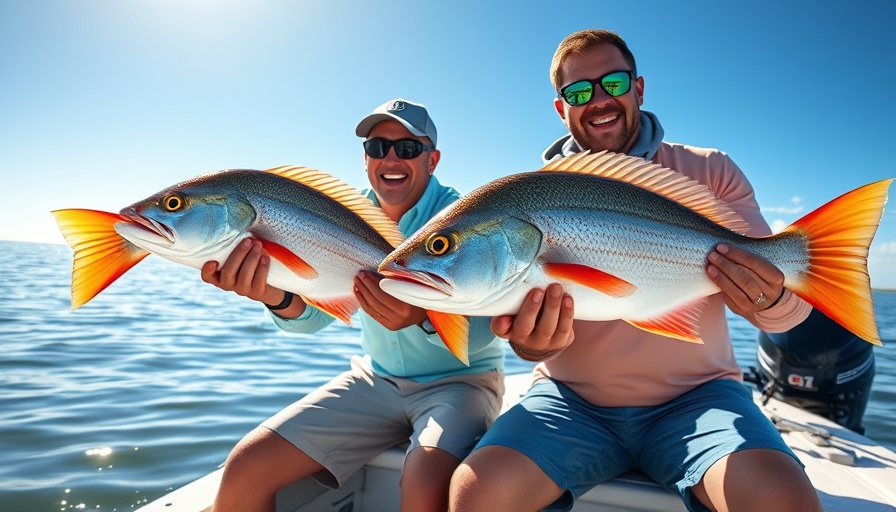
Enthusiastic men holding redfish on a boat in shallow water fishing scene.

The Joy of Shallow Water Red Fishing: A Fisherman’s Journey

On a sun-drenched day in Louisiana, excitement bubbles over as two friends, Jared Sarin and Delane, set out on an impromptu fishing adventure. What began as a quest to capture giant garfish quickly transformed into a thrilling endeavor to sight fish for redfish in the shallows. This spontaneous turn not only showcased their fishing prowess but also highlighted the joys and unpredictability of fishing in shallow waters.

In "Hunting for Louisiana Redfish in SUPER SHALLOW Water," the adventure dives deep into the world of sight fishing for redfish, highlighting key insights that sparked deeper analysis on our end.

Understanding the Local Ecosystem

The day was bright with minimal wind, conditions that often lead to fruitful fishing. As they prepared the boat, Jared noticed an abundance of mullet in the water, a good sign that the area was teeming with life. However, the presence of so many mullet also raised questions: where were the redfish? Sometimes, an overabundance of one species can signal the absence of another, a sign that all seasoned fishermen recognize. The duo found themselves pondering this very question as they navigated the water, equipped with their rods and gold spoons.

The Techniques of Sight Fishing

"Cast it and retrieve it," Jared simplistically instructed Delane, explaining the technique of sight fishing in shallow waters. This method requires keen observation and quick action as fishermen must spot the fish before they become aware of the human presence. For beginners, this approach can be daunting, but with practice, it becomes second nature. This positive experience demonstrates that fishing is not just about the catch but also about learning and adapting in real-time.

Challenges in the Water

Despite the promising conditions, the pair encountered challenges throughout their outing. Visibility was less than ideal, hampered by a glare from the clouds. Jared’s experience showed that a clear view is crucial in sight fishing as it allows anglers to track the movements of the fish. As they pushed deeper into the flat water, they noticed the fish were skittish, reluctant to take bait. But the thrill of the chase kept them casting, fueling their determination to outsmart the elusive redfish.

Celebrating Success: The Catch

Their persistence paid off when they finally caught their first redfish. Jared’s enthusiasm was palpable, sharing the excitement of sight fishing on the water while mentoring Delane. Each catch not only ignited adrenaline but served as a benchmark of their skills evolving over time. With every tug on the line, the initial frustration melted away, replaced by joy and camaraderie.

The Value of Friendships in Fishing

Fishing often transcends the activity itself; it’s about the bonds forged in the process. Jared and Delane's easy banter demonstrated the social connection that is intrinsic to fishing. As Delane experienced the rush of catching his first redfish, it underscored that moments like these are what fishing is truly about—creating memories with friends against the backdrop of stunning natural beauty.

Takeaways for Aspiring Anglers

For those inspired by this journey, remember to embrace the elements of nature. Adaptability, patience, and an eagerness to learn are essential traits for any fisherman. Whether you’re a beginner or seasoned angler, each outing provides lessons that go beyond the catch. Be ready to adjust your plans, use appropriate bait, and trust your instincts.

This fishing adventure not only showcases the thrill of shallow water redfishing but is also a reminder of the importance of adaptability and connection with friends.

So the next time you’re tempted to cast a line, remember that fishing is a story waiting to be told. Embrace the unpredictable nature of the sport and seek out those unforgettable moments with friends. Happy fishing!

wildlife

1 Views

0 Comments

Write A Comment

*
*
Related Posts All Posts
12.30.2025

Exploring Gator Country: A Fisherman's Survival Guide

Update Exploring the Untamed Wilderness of Gator Country Away from the conveniences of modern life, spending two nights in Louisiana's gator country can be both exhilarating and frightening. Surrounded by water and lush greenery, it's an environment that demands respect and awareness, especially when night blankets the marshes and the sounds of nature echo ominously. The experience is not just about fishing and hunting; it’s a test of survival and adaptability that draws both seasoned outdoorsmen and curious novices alike.In 'Surviving Two Nights in Gator Country,' we delve into the unique experiences that come with immersing yourself in this enchanting yet wild habitat. The Thrill of Daytime Fishing By day, this wilderness transforms into an outdoor paradise for fishermen. The waterways teem with life, from crawfish scuttling along the bottom to the splashes of excited bullfrogs leaping from the banks. For fishing enthusiasts, every cast of the line holds the promise of a lively catch. Whether you’re baiting for turtles or seeking larger fish, the tactical aspects of angling in this region offer ample opportunity to hone your skills. It’s a chance to disconnect from the hustle and bustle of daily life and embrace the simplicity of nature. A Nighttime Awakening: The Marsh Comes Alive As dusk descends, the true essence of gator country reveals itself. The dark can be suffocating, and the marsh starts to come alive with sounds that can be both thrilling and disconcerting: the rustles of unseen creatures, the distant calls of hungry alligators, and the hushing croaks of bullfrogs. This atmospheric shift serves as both a reminder of the wildlife's presence and a subtle warning of the risks involved. In these moments, the harsh reality of survival becomes apparent—no cell service, no roads, just a vast stretch of wilderness and the inherent isolation it brings. Understanding Wildlife: A Respect for Nature It’s crucial for those venturing into gator country to understand the local wildlife. Alligators, while fascinating, pose dangers, especially as they become more active at night. Fishermen need to respect their environment, recognizing that every element in the ecosystem plays a critical role. Learning about gator behavior and emphasizing safety is not just wise; it’s essential for a successful trip. Knowing which baits attract not just fish but also inviting attention from gators can significantly impact one’s experience. Practical Tips for Your Gator Adventure Planning a trip to gator country? Here are some useful tips to keep in mind: Preparation is Key: Before heading out, ensure you have everything you need, from fishing gear to adequate supplies for your stay. Stay Aware: Keep an eye (and ear) out for wildlife noises, particularly at night, and be mindful of your surroundings. Utilize Natural Resources: Learn to catch and cook local delicacies, like bullfrogs and crawfish, making the most of your outdoor experience. These tips will help you enjoy the beauty and adventure of gator country while remaining safe. Conclusion: Taking on the Challenge The adventure of surviving off-grid in gator country isn’t for everyone, but for passionate anglers and adventurers, it represents the pinnacle of outdoor experiences. It brings together challenges, learning opportunities, and the thrill of connecting with nature. Experience this wild beauty for yourself and redefine your understanding of fishing and hunting. As you prepare, think about the stories you want to tell and the unforgettable memories you will create.

12.24.2025

Saving Louisiana's Wetlands: The Battle Against Invasive Wild Hogs

Update Protecting Our Wetlands from Invasive SpeciesThe wetlands of Louisiana are not just beautiful landscapes; they are a vital defense against the ravages of storms and flooding. However, the threat posed by invasive wild hogs is growing. These feral hogs, often mischaracterized as mere nuisances, are wreaking havoc on marsh ecosystems. As they root through the soil searching for food, they destroy marsh grass and weaken the structure of levees. This destructive behavior accelerates erosion, risking not only the wetlands but the communities that rely on them. If we don’t put a stop to their unchecked growth, we could face dire consequences, including losing our precious marshlands.In 'If We Don’t Stop These Hogs, We Lose it All (Catch and Cook Hog Trapping),' the discussion dives into the pressing issue of invasive wild hogs threatening Louisiana's wetlands, exploring key insights that sparked deeper analysis on our end. The Cultural Significance of Louisiana's WetlandsFor many in Louisiana, the wetlands are more than just a natural resource; they are an inseparable part of their culture and way of life. From fishing to gathering crawfish, the marshlands provide both sustenance and tradition. The wildlife, including turtles and bullfrogs, not only enriches local biodiversity but also supports the fishing economy. Through trapping and managing hog populations, we are not just conserving the environment; we are preserving a heritage that has been passed down through generations.Effective Strategies for Hog ControlManagement efforts such as trapping play a crucial role in controlling the wild hog population. Trapping is a humane way to ensure that these invasive species do not overrun our ecosystems. By utilizing specific bait that appeals to feral hogs, such as corn or specially formulated bait, traps can effectively capture these animals and reduce their numbers. Fishermen and local communities play a vital role in these initiatives—by becoming involved, they can help maintain ecological balance while supporting their traditions.A Call to Action for Fishermen and Outdoor EnthusiastsThe fight against invasive hogs in Louisiana’s wetlands is not just for environmentalists; it’s a battle for every fisherman and outdoor enthusiast. Engaging in discussions about this issue, volunteering for local trapping projects, or educating oneself about the impacts of invasive species are all ways to contribute. Together, we can work to protect these fragile ecosystems. After all, if we lose the marsh due to the unchecked growth of wild hogs, we risk losing not only our land but also our culture and lifestyle.

12.23.2025

Ripple the Great White Shark Treks 3,000 Miles to Louisiana: What It Means

Update Ripple’s Remarkable Journey: 3,000 Miles of Discovery A great white shark named Ripple has made headlines by traveling an astonishing 3,000 miles from the waters off Nova Scotia to the Gulf of Mexico near the Louisiana coast. Tagged by OCEARCH, a nonprofit organization dedicated to the study of sharks, Ripple is a male shark measuring over 11 feet long and weighing 778 pounds. His migration has sparked renewed interest in the behavior and habits of white sharks in different geographic regions. Understanding Migration Patterns of Great Whites Ripple’s recent ping was registered just southeast of New Orleans, indicating a significant movement within the Gulf. According to OCEARCH scientists, understanding Ripple's journey is crucial for piecing together the bigger picture of where Atlantic Canada’s white sharks migrate to during warmer months. The data collected from Ripple will contribute to existing research on the population dynamics and life history of great whites, particularly as they relate to seasonal migrations. Historical Context: Great Whites in the Gulf The Gulf region is not traditionally known as a primary habitat for great white sharks. Yet, historical records indicate that significant numbers may have long inhabited these waters, albeit unnoticed due to limited tracking and research. Notable earlier sightings, such as that of another shark known as Ormond, show that the Gulf is increasingly becoming a more recognized seasonal refuge for these apex predators. With sightings increasing, researchers are beginning to consider whether this could be a sign of a broader population recovery following years of habitat loss and overfishing. Broader Implications: A Shifting Ecosystem Experts suggest that the presence of great white sharks in areas outside their typical habitats may reflect ecological changes within marine environments. As scientists collect and analyze tracking data, the findings could point to shifts in prey availability, temperature fluctuations, and changes in ocean currents, which all play critical roles in shark migration patterns. Such shifts not only impact the sharks but the broader marine ecosystem that sustains them. Why Ripple’s Journey Matters For beachgoers and boaters alike, the migration of sharks like Ripple serves as a vital reminder of the interconnectedness of our ecosystems. Understanding these movements helps inform safety protocols and conservation efforts that protect both sharks and human populations. By raising awareness about these creatures and their important role in the oceanic food web, we can work towards coexistence while also appreciating the majesty of great whites. Call to Action: Stay Informed and Safe As Ripple continues his journey, we encourage beach enthusiasts and boaters to stay informed about shark sightings and behaviors. Utilize tracking resources and engage with local conservation efforts to contribute to the understanding and safety surrounding these magnificent creatures. Let’s promote responsible ocean use while encouraging the preservation of marine life for future generations.

Terms of Service

Privacy Policy

Core Modal Title

Sorry, no results found

You Might Find These Articles Interesting

T
Please Check Your Email
We Will Be Following Up Shortly
*
*
*