
Add Row
Add Element
cropper
update
Gulf Of America Luxury Living
update
Add Element
  • Home
  • Categories
    • luxury
    • homes
    • lifestyles
    • design
    • travel
    • events
    • boating
    • national parks
    • food
    • wildlife
    • Entertainment
    • boating
    • Politics
    • sharks
June 16.2025
3 Minutes Read

Explore Shark Camp: A Summer of Fun and Education Awaiting You

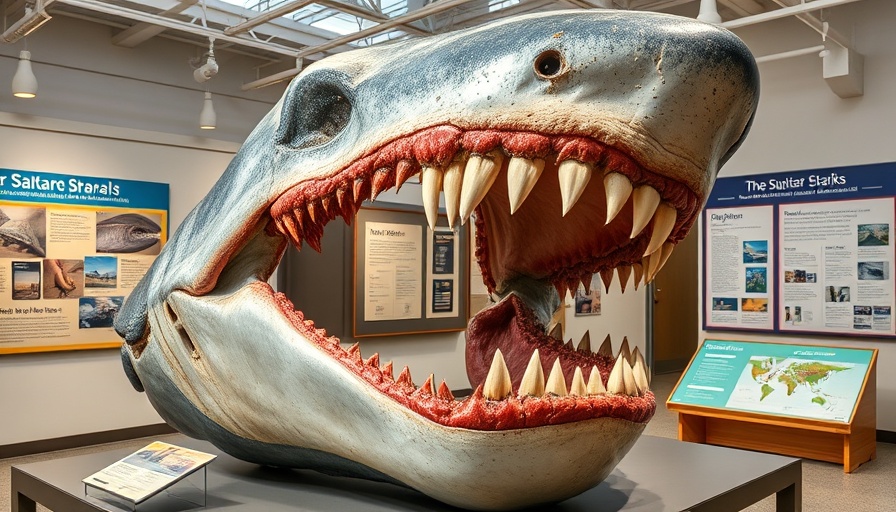
Shark Camp at Museum of the Gulf Coast exhibit featuring a large shark jaw and informational displays.

Shark Camp Unveils Exciting Summer Activities

The Museum of the Gulf Coast, located in Port Arthur, Texas, is making waves this week with its unique Shark Camp, which commenced on June 16th and runs through June 20th. Designed for families and young enthusiasts, this program offers a deep dive into the world of sharks, featuring interactive lessons and hands-on activities every morning from 10 AM to 12 PM. It's a fantastic opportunity for children and their parents to learn about marine life while enjoying the sun-soaked summer days. However, a quick note for attendees—the museum will close for a day on June 19th in honor of Juneteenth.

Educational Fun with a Local Celebrity

One of the highlights of Shark Camp includes a special event on Saturday—Family Fun Day: Great White Sharks in the Gulf. The event will feature a documentary presentation by Chester Moore, a local sportsman and devoted shark journalist, known for promoting awareness and educational initiatives about marine life.

Moore, along with education coordinator Dana Howard, has been instrumental in shaping the program to not only entertain but educate kids and families about the importance of sharks in the ecosystem. “Sharks are misunderstood creatures,” Moore stated during a recent interview. “Through our camp, we aim to foster a love for marine biology and conservation among the youth.” This hands-on approach combining fun and education is what the camp hopes to achieve.

Why Shark Education Matters

Sharks are often seen as fearsome predators, mostly known due to sensationalized media and unfortunate shark attacks. However, educating the public about shark behavior, their habitat, and ways to safely enjoy water activities can dramatically shift perceptions. Furthermore, understanding their role in the marine ecosystem can inspire a collective effort toward their conservation.

Interestingly, experts warn of growing concerns regarding shark populations. With the impact of climate change and overfishing, awareness events like Shark Camp are pivotal in sparking interest and encouraging proactive measures for marine protection. As participants engage in fun activities and discussions, they foster a deeper appreciation for these vital creatures of the ocean.

Engaging Through Technology

Modern technologies, including drones, are being utilized for marine studies today. These devices can monitor sea life and gather data without disturbing the natural habitat, proving advantageous for researchers and educators alike. The integration of such technology at events like Shark Camp could offer insights into the behaviors of these magnificent creatures, making it even more appealing for the younger generation. Perhaps one day, attendees will even see drone demonstrations, showcasing the innovative ways we can study and protect our oceans.

Create Lasting Memories

For families looking for ways to bond this summer, Shark Camp presents an unforgettable experience. From fascinating shark documentaries to interactive discussions with experts, it offers more than just a day out—it's an opportunity to foster a deeper connection with nature and each other. You can truly help shape the perspective of young adventurers and marine advocates in this engaging environment.

Join the Adventure!

Don't miss out on this chance to explore the underwater world while creating lifelong memories. Bring your family to Shark Camp at the Museum of the Gulf Coast—let's make a big splash together this summer! For more information, check the museum's website and join us in celebrating our ocean’s incredible diversity.

sharks

2 Views

0 Comments

Write A Comment

*
*
Related Posts All Posts
01.21.2026

Shark Attacks Stalking Gulf Tarpon Anglers: What’s Next?

Update Is Shark Behavior Changing in the Gulf? Recent reports from Gulf anglers indicate a troubling trend: fishing for tarpon is becoming increasingly difficult due to sharks encroaching on their territory. Captain Logan Waidelich, who specializes in tarpon fishing in Florida's 10,000 Islands, notes that encounters with sharks have spiked, leading to a more precarious fishing experience. Sharks are no longer just lurking around deeper wrecks and bottoms; they are now aggressively hunting in shallower waters, marking a significant change in behavior. Understanding the Shark Population Boom This rise in shark encounters is not surprising when you consider the growing shark population in the Gulf, a phenomenon supported by the increased enforcement of protective regulations and conservation efforts. Although such initiatives aim to revitalize marine ecosystems, they simultaneously contribute to a burgeoning predator population that may threaten the sport fishing community's beloved tarpon. Why Are Sharks Becoming More Aggressive? A key factor contributing to this shift appears to be learned behavior among sharks. Waidelich expresses a concern that sharks are associating boats with easy meals rather than threats. "Once they show up, it becomes a race against time before they devour a hooked fish," he mentions, referring to the alarming frequency with which these apex predators have disrupted his fishing expeditions. In a recent outing, he vividly recalls a jaw-dropping moment when a shark took a bite out of a landed tarpon, leaving the fish significantly damaged. The Shark Encounters: A Growing Concern for Anglers Encounters with aggressive sharks not only decrease the odds of landing a tarpon but also pose broader implications for local fishing industries reliant on tarpon as a key recreational target. Anglers are exceedingly frustrated and concerned; many now face the tough decision of whether to continue fishing amidst this growing threat. Proposals like the SHARKED Act are on the table, aimed at addressing these challenges, but uncertainty looms over their potential impact. What Anglers Can Do to Protect Tarpon Populations For passionate anglers determined to continue their sport despite these challenges, there are strategies to enhance the chances of safely landing a tarpon while minimizing interactions with sharks. Techniques such as using weighted lines or making quicker releases can be effective amidst this evolving scenario. Additionally, technologies, including drones, can now assist fishermen in spotting shark activity before engaging in fishing. Future Predictions: What Lies Ahead for Gulf Fishing? As climate change and regional policies unfold, anglers must anticipate the future dynamics of tarpon fishing in the Gulf. With waters warming and changing fish migration patterns, the ongoing struggle between conservation efforts and fishing interests could lead to more profound shifts in underwater ecosystems. Dialogue and advocacy will be crucial as anglers navigate an uncertain future, balancing the preservation of marine biodiversity with their passion for fishing. While the situation for tarpon fishing may seem daunting, staying informed and adaptable will empower the angling community to face these challenges head-on. Awareness and proactive measures can lead to better outcomes for both the species and their pursuers. As conversations continue surrounding policy adjustments and marine management, what steps are you willing to take to ensure the longevity of tarpon populations and your favorite fishing spots? Engage with your local advocacy groups, and advocate for solutions that serve both wildlife and fishing interests.

01.21.2026

The Shark Predation Problem: Why Tarpon Fishing is Getting Tougher

Update How Shark Influences Are Changing Tarpon FishingRecent years have ushered in a notable shift for Gulf anglers, particularly those targeting the esteemed tarpon, as encounters with sharks become alarmingly frequent. What was once a rare annoyance when fishing deeper waters has now morphed into an all-too-common obstacle for fishers across the coast. The shark population surge, exacerbated by changing ecological conditions and human factors, poses significant challenges for both recreational and professional anglers.Rising Shark Encounters: A Disruptive TrendCaptain Logan Waidelich, who dedicates his expertise to tarpon fishing in Florida’s 10,000 Islands area, points out that sharks are no longer limited to deep-sea fishing grounds. They are now attacking hooked tarpon in shallower waters, altering how these prized catch are pursued. Waidelich describes a harrowing experience during a fishing trip where a shark aggressively took after a hooked tarpon, showcasing a concerning trend of heightened shark interaction that many anglers are now facing.Learning from Encounters: Change in Strategy RequiredAs sharks have begun to associate boats with potential food sources, Waidelich emphasizes adjustments that anglers must make to protect their catch. “In the past, sharks would often shy away from boats but now they’re more bold and aggressive,” he explains. The necessity to allow hooked tarpon to escape towards cleaner waters is critical—a strategy aimed not only at preserving the fish but also to avert encouraging shark attacks. As encounters like these increase, fishing strategies must adapt to safeguard valuable catches.What's Driving the Shark Boom?The surge in shark populations can be traced to several interrelated issues. The boom in their numbers is also tied to the broader discussions around conservation management practices. As efforts to protect shark species grow, it amplifies the urgency for regulated fishing practices to ensure sustained marine ecosystems. The ongoing discussions regarding the SHARKED Act—aimed at addressing these growing shark populations and their interactions with fishers—could mark a pivotal step toward balancing conservation with recreational fishing.What This Means for Future FishingWith the evolution of shark behavior and ecology, future fishing conditions may shift even further. It presents a dual-edged sword; while anglers may need to become more adept in their fishing methods, it also invites broader public discourse regarding marine conservation and the proper management of shark populations. Understanding the balance between preserving shark fisheries and protecting the integrity of tarpon fishing is essential for sustainable sport fishing moving forward.A Call to Action: Advocate for Balanced PoliciesThe growing concerns about shark interactions during tarpon fishing highlight a pressing need for reform. Perhaps now more than ever, it's crucial for anglers to advocate for legislation—like the SHARKED Act—that empowers fisheries management while respecting the delicate fabric of underwater ecosystems. As fishing conditions evolve, being informed and engaged with these issues can help ensure that both the passion for fishing and the beauty of marine life can coexist.

01.17.2026

Great White Shark Ernst Pings Near Gulf Coast: What Beachgoers Should Know

Update A Fascinating Encounter: Great White Shark Spotted Near Gulf Shores The Gulf of Mexico, which serves as a beloved playground for beachgoers from Louisiana, has recently welcomed an unexpected visitor—a massive Great White shark by the name of Ernst. This impressive creature, measuring 12 feet and weighing in at 1,000 pounds, was pinged off the coast, stirring excitement and concern among locals and visitors alike. With a journey spanning over 3,100 miles from Nova Scotia in just 99 days, Ernst's appearance provides a window into the health of our oceans and the dynamic ecosystems they harbor. Why This Matters: Understanding Great White Sharks As apex predators, Great White sharks play a crucial role in maintaining the balance of marine life. Their presence in the Gulf can actually signal a recovering fish population, which is a positive indicator of ocean health. While some might feel anxious about swimming in waters shared with a shark, it's essential to recognize the vital role these creatures play in our ecosystem. Sharks are less likely to venture closer to shore, but their migration patterns can bring them to areas frequented by humans. Going Deeper: Shark Migration Patterns and Climate Impact Sharks tend to migrate based on water temperature, and Ernst's arrival aligns with this behavior—heading south to escape the cold waters of the north. However, as the Gulf water warms up in the coming months, it's expected that many sharks will migrate back north. This continuous movement is a reminder of the impact climate change has on marine life and highlights the need for awareness about how our environmental conditions can influence the natural world. What to Know for Your Safety With Ernst swimming nearby, fishermen and beachgoers are advised to remain vigilant. Ocearch encourages anyone who encounters the shark to document their sighting and share their experiences, promoting community engagement with marine conservation. While risks such as shark attacks are effectively low—given that sharks typically avoid humans—understanding and respecting these majestic creatures is essential for safe and enjoyable beach outings. From Thrill to Discontent: Navigating Human Emotions The reaction to seeing a Great White nearby often oscillates between thrill and apprehension. On one hand, there’s a sense of wonder in witnessing such a majestic creature. On the other hand, it may elicit fear, particularly among those unaware of their behavior. It’s essential for beachgoers to be well-informed and to remember that these animals are more fascinated by the existing populations of fish. Maintaining a respectful distance and engaging with available safety resources can create a friendly beach atmosphere. Call to Action: Embrace Marine Safety on Your Next Beach Trip As you gear up for a summer filled with sun and fun, let Ernst's visit be a reminder of the natural wonders that surround us. Stay informed about local marine life and beach safety guidelines. Consider partaking in safety briefings or educational sessions that focus on marine ecosystems. This way, you can enjoy the beach while also becoming a steward of our oceans.

Terms of Service

Privacy Policy

Core Modal Title

Sorry, no results found

You Might Find These Articles Interesting

T
Please Check Your Email
We Will Be Following Up Shortly
*
*
*