
Add Row
Add Element
cropper
update
Gulf Of America Luxury Living
update
Add Element
  • Home
  • Categories
    • luxury
    • homes
    • lifestyles
    • design
    • travel
    • events
    • boating
    • national parks
    • food
    • wildlife
    • Entertainment
    • boating
    • Politics
    • sharks
April 29.2025
3 Minutes Read

Exploring River Shrimp Fishing: Tips and Tasty Recipes

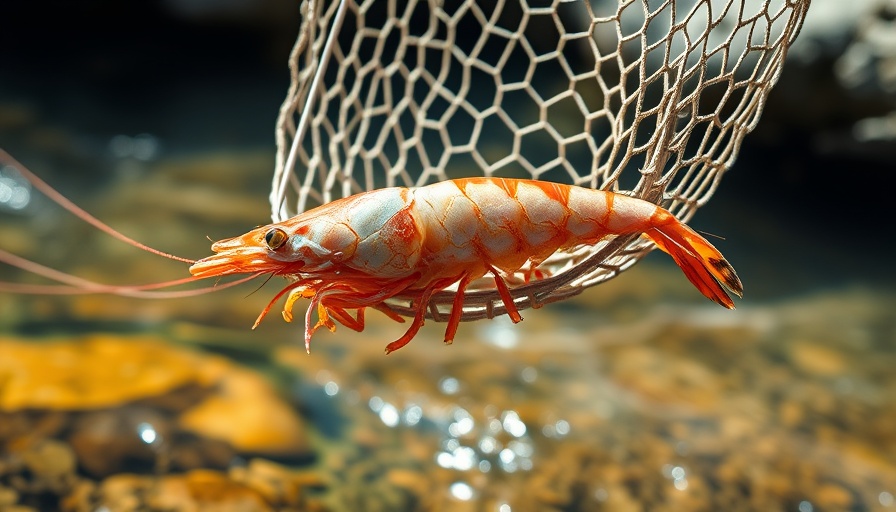
Freshly caught shrimp in a net over a river for river shrimp fishing tips.

Understanding the River Shrimp: Nature's Sweet Bounty

The Mississippi River, with its expansive waters and rich biodiversity, holds hidden gems that many locals treasure—like the river shrimp. These tiny crustaceans are more than just bait for fishing; they offer a culinary delight that can elevate any dish. In South Louisiana, river shrimp are recognized for their sweet flavor, a trait that sets them apart from their saltwater counterparts. With the recent flooding adding a unique dynamic to the ecosystem, this is the prime season for fishing enthusiasts to explore the river shrimp spawn.

In the video ‘Catching River Shrimp in the Mississippi River Floodwaters,’ we learn about the art of fishing river shrimp, prompting us to delve deeper into techniques, recipes, and the importance of local ecosystems.

Fishing Techniques for River Shrimp

In the recent Catching River Shrimp in the Mississippi River Floodwaters video, Jared Serenade reveals a classic fishing method using old school minnow traps. By strategically placing traps around willow trees, where shrimp tend to gather, he demonstrates an easy, accessible technique for both novice and seasoned fishers. By utilizing cut bait, in this case, pogy, and ensuring the traps are properly set to touch bottom, anglers can maximize their catch. This approach isn't just effective; it's steeped in tradition, offering a nostalgia that resonates with the culture of fishing in Louisiana.

Cooking River Shrimp: Recipes Worth Trying

Beyond using river shrimp as bait for bigger catches like bullfrogs or turtles, they also shine on the dinner plate. In the video, Jared prepares a simple yet delightful dish of shrimp and cornbread, showcasing the shrimp's exquisite taste. This dish exemplifies the practical yet creative spirit of fishermen who know how to make the best of their catch. The river shrimp's sweeter flavor pairs beautifully with cornbread, creating a comforting meal that reflects local cuisine—rich in flavors and tradition.

The Importance of Local Ecosystems

Flooded conditions, like those currently affecting the Mississippi River, greatly influence local wildlife. As river shrimp seek shelter in the floodwaters, it creates an opportunity for marine life to flourish. This natural cycle is essential to maintaining biodiversity in these environments. Fishermen play a crucial role in this ecosystem, not only as participants in sustainable fishing practices but also as stewards of the environment. Understanding these connections can enhance the fishing experience while promoting conservation efforts.

Engaging with Your Local Fishing Community

For those passionate about fishing, connecting with the local community can enhance your experience. Many fishermen share tips, techniques, and recipes that can improve your catch and culinary experience. Whether it's through social media groups, local fishing clubs, or community events, staying engaged will enrich your fishing journey. Did the video inspire you? Comment below with your thoughts, or share your own river shrimp recipes and fishing stories!

As we dive deeper into the joys of fishing, food, and nature, let’s continue to explore the treasures our local waters offer. Are you ready to set out and catch some river shrimp yourself?

wildlife

1 Views

0 Comments

Write A Comment

*
*
Related Posts All Posts
01.21.2026

Shark Encounters Make Tarpon Fishing More Difficult for Gulf Anglers

Update Shark Encounters Make Tarpon Fishing More ChallengingAcross the Gulf of Mexico, anglers are facing an unexpected challenge that is disrupting their favorite pastime. As shark populations increase, captains and fisherfolk are finding it harder to reel in tarpon, a prized catch known for its acrobatic displays. Sharks, known for their voracious appetites, have begun to more aggressively target hooked fish, making successful fishing trips less predictable and more perilous.Understanding the Shark ThreatCaptain Logan Waidelich, who specializes in tarpon fishing in the 10,000 Islands area of Florida, confirms that this surge of shark activity is not just a seasonal quirk; it seems to be a growing trend. Previously, sharks were more cautious around fishing boats, but recent experiences have shown that they are becoming bolder. These encounters can easily transform a promising fishing trip into a fight for survival—both for the anglers’ prized catches and the sharks themselves.The Rising Difficulty of Tarpon FishingThe impact is visible. As water temperatures rise, thanks to climate changes and human activity, the conditions have fostered a more substantial presence of sharks year-round in both deeper and shallower waters. Anglers like Waidelich are adapting techniques, using modern technology to locate schools of tarpon while also preparing for the sharks that often follow. Yet, the competition for the catch has never been fiercer, with reports of sharks attacking fish at an alarming rate, practically ensuring that even an enthusiastic angler's best efforts could be in vain.What’s Being Done?The growing concern has prompted discussions around potential legislative measures like the SHARKED Act, aimed at addressing these shark-related issues. Anglers are hopeful for regulation changes that can help manage the shark population in ways that could alleviate the pressure on their catches. In the interim, many captains have resorted to challenges like chasing down fish to protect them from becoming prey during the delicate moments when they are landed.A Call for Increased AwarenessThis issue extends beyond simple fishing frustrations. It highlights the intricate balance of marine ecosystems and the responsibilities anglers face, not only as participants but as stewards. As sharks reclaim their role in coastal waters, it raises questions about how best to coexist with them. The implications of increasing shark populations could impact recreational fishing, local economies, and the future of marine life in the Gulf.With the awareness of the challenges that come with shark encounters, anglers are encouraged to take preventative measures to protect their catches while continuing to advocate for legislative action. These measures aim not only to secure their sport but also to maintain the health of marine biodiversity in the Gulf, ensuring that both sharks and tarpon can thrive.For anyone interested in breaking the cycle of shark encounters and finding solutions, this is a vibrant ongoing discussion worthy of attention. Stay informed, share your thoughts, and connect with fellow anglers to contribute to this significant topic.

01.21.2026

Why Fishermen Should Care About Invasive Species and Their Impact

Update The Hidden Threat of Invasive Species Invasive species pose a significant problem for local ecosystems and economies, particularly in areas like lakes and rivers where they can outcompete native fish and wildlife. For fishermen, invasive species change not only the fishing experience but also the quality of the catch. Understanding this phenomenon and taking steps to manage it is crucial for maintaining healthy waterways.In 'It’s a constant job trying to get rid of invasive species,' the discussion dives into their significant effects, leading us to explore crucial insights on how these changes impact fishing communities. Understanding Invasive Species When non-native species like Asian carp, zebra mussels, and even invasive crawfish enter new waterways, they can disrupt food chains and outcompete local species for resources. For instance, the Asian carp has been known to deplete stocks of native fish by consuming large amounts of plankton, which is essential for the ecosystem. Fishermen who depend on native fish populations may find it increasingly difficult to find good catches. The Impact on Fishing This influx of invasive species affects not just ecological balance but also fishermen’s livelihoods. With the presence of invasive bullfrogs, turtles, and other species, the diversity that supports a healthy fishing environment can rapidly diminish. In places where they thrive, fishermen might need to adjust their practices, such as changing bait or using different fishing techniques to continue having successful outings. Innovative Solutions in Fish Management Fortunately, efforts are being made to combat invasive species through community awareness programs and management practices. Fishermen are encouraged to report sightings of invasive species and participate in local netting efforts designed to control their populations. Additionally, organizations are working to inform the public about the importance of native species and the detrimental effects of introduced competitors. Recipes and Alternatives: Embracing Change Interestingly, some invasive species can be used to enhance the culinary landscape. For instance, certain types of invasive crawfish can be transformed into delicious recipes, providing a unique way for consumers to help manage the problem. Fishermen are finding innovative uses for their catch, such as making gumbo or using the meat for bait. By embracing these changes, the fishing community can not only contribute to environmental efforts but also create new dining opportunities. The Role of Fishermen in Conservation For those who frequent our lakes and rivers, maintaining the balance of local ecosystems enhances everyone’s fishing experience. Fishermen play a critical role in monitoring fish populations and the effects of invasive species. Engaging in sustainable practices, such as understanding when and how to net, can lead to a healthier aquatic environment. Getting Involved: What Gen Z and Youth Can Do Young people and future generations are key to addressing invasive species. Through awareness and innovative solutions, they can spearhead conservation efforts. Consider involving local schools in waterway monitoring projects or organizing community fishing events that educate and inform.These efforts not only engage youth but also instill a sense of responsibility toward preserving natural ecosystems. In conclusion, understanding and managing invasive species is essential for maintaining healthy ecosystems and supporting local fishermen. By becoming involved and making informed choices, everyone can contribute to a sustainable future on the water.

01.18.2026

The Invasive Nutria Rat: What Fishermen Need to Know About This Threat

Update Understanding the Nutria Invasion: A Threat to Ecosystems Nutria rats, native to South America, have infiltrated ecosystems across the United States, causing significant ecological and economic damage. While their large size and rat-like appearance can be disconcerting, it's critical to understand their impact on local environments, especially for those who enjoy fishing, boating, and engaging with nature.In On the hunt for invasive nutria rats, the discussion dives into the environmental challenges posed by these creatures, prompting us to explore their effects on fishing and local ecosystems. Why Are Nutria a Problem? Nutria are voracious eaters, capable of consuming large quantities of vegetation and disrupting the delicate balance of wetlands. Their feeding habits lead to increased erosion and loss of habitat for other wildlife, like turtles and fish, making them a threat to both aquatic and terrestrial ecosystems. As a fisherman, it’s essential to be aware of how these invasive species might affect local fisheries and food sources. The Connection to Recreational Activities For fishermen, nutrias can alter the landscape in ways that make fishing less rewarding. They degrade habitats that support species like crawfish and bullfrogs, both of which are important for fishing. With aquatic plants devastated, the food web that sustains fish populations is inevitably affected. While fishing might still be possible, the experience could diminish as populations of native species wane. Practical Tips for Fishing Enthusiasts As an angler, there are steps you can take to mitigate the effects of nutria on your fishing outings. First, focus on understanding local ecosystems. Talk to conservationists and engage in community efforts to control nutria populations. Additionally, consider using baits that thrive in altered habitats—effectively scouting areas where fish might still find nourishment despite the presence of these invasive creatures. Recipes and Cooking with Local Fish With changing fish populations, adapting recipes and techniques can enhance your fishing experience. Simple recipes focusing on seasonal fish can help you cherish your haul more. Fishermen can share their favorite creations, highlighting adaptability in cooking styles as well as fishing strategies in response to shifting ecosystems. Engaging with your community to support local wildlife initiatives can cultivate a collective response to invasive species like nutria. By working together, fishermen, conservationists, and recreational enthusiasts can protect native habitats and ensure a thriving environment for future generations. Michael Donovan encourages you to get involved in local wildlife initiatives and learn more about the impact of invasive species like nutria on your favorite fishing spots. Let’s preserve the richness of our aquatic ecosystems for generations to come!

Terms of Service

Privacy Policy

Core Modal Title

Sorry, no results found

You Might Find These Articles Interesting

T
Please Check Your Email
We Will Be Following Up Shortly
*
*
*