
Add Row
Add Element
cropper
update
Gulf Of America Luxury Living
update
Add Element
  • Home
  • Categories
    • luxury
    • homes
    • lifestyles
    • design
    • travel
    • events
    • boating
    • national parks
    • food
    • wildlife
    • Entertainment
    • boating
    • Politics
    • sharks
August 09.2025
3 Minutes Read

Families Flock to Crabbing Adventures at Delore Island Pier

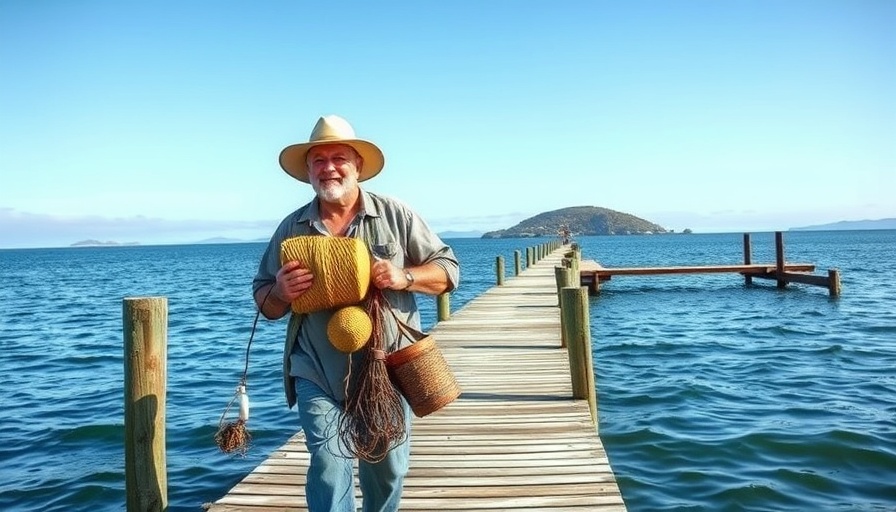
Man with crabbing gear on Delore Island dock

Experience the Thrill of Crabbing at Delore Island Pier

As families flock to public piers for some quality time fishing, the excitement of crabbing adds an adventurous twist to the classic pastime. The Delore Island Pier, renowned for its bustling activity and accessible nature, provides an excellent setting for young anglers and seasoned fishermen alike to connect with the great outdoors. The recent crabbing adventure captured in the video offers a wealth of lessons and sheer enjoyment, making it a perfect outing before school starts.

In 'Families Flock to this PUBLIC PIER for Crabbing (Catch and Cook)', the discussion dives into the thrill of crabbing and the family bonding it fosters, encouraging a deeper exploration of this fun outdoor activity.

Gather the Right Gear for a Successful Trip

Before heading out, preparation is key. From crabbing nets to bait choices, having the right gear can significantly enhance your experience. In the video, the host skillfully preps his nets and cuts the bait to fit into specially designed baskets. Just as essential is the choice of bait; pogies are a favorite as they attract crabs effectively. Ensuring your netting equipment is suitable for the local environment not only improves your chances of catching but also enhances the overall experience of netting along the pier.

Make It a Family Adventure

What stands out in the crabbing adventure is the bonding moments between family members. With siblings competing humorously over who will catch the biggest or most crabs, the simple act of crabbing transforms into an engaging family outing. Alongside the fun competition, shared snacks like donuts create a sense of camaraderie and fun. Such outings provide an opportunity for parents to teach their children about nature, teamwork, and patience, making memories that last a lifetime.

Understanding Local Wildlife

With every catch, there’s a lesson in biodiversity. Knowing what to keep and what to throw back is essential when crabbing. The host explains the differences between male and female crabs, educating young crabbing enthusiasts on the importance of preserving the ecosystem. This educational element ensures that the next generation of fishermen learns to respect and protect marine life, fostering a sustainable approach to recreational fishing.

Getting Creative in the Kitchen

After a day of fishing, the culmination of the crabbing adventure is the delicious meal that follows. The host demonstrates how to transform freshly caught crabs into a mouth-watering crab burger. Mixing crab meat with mayonnaise, lemon juice, and seasoning showcases the versatility of crabs in cooking. For aspiring chefs, creating unique recipes like these can bring excitement to mealtime and instill a love for cooking from fresh, local ingredients.

Is Crabbing Worth Trying?

Absolutely! Not only does crabbing provide recreational fun, but it's also a great way to learn more about marine life, family bonding, and even culinary skills. So if you're looking for an enjoyable way to experience nature while teaching your kids valuable lessons, consider taking them crabbing this summer.

Remember, crabbing isn’t just about catching crabs; it’s about the memories made along the way. So gather your gear, hit the Delore Island Public Pier, and get ready for a fun-filled day crabbing with family!

wildlife

4 Views

0 Comments

Write A Comment

*
*
Related Posts All Posts
12.24.2025

Saving Louisiana's Wetlands: The Battle Against Invasive Wild Hogs

Update Protecting Our Wetlands from Invasive SpeciesThe wetlands of Louisiana are not just beautiful landscapes; they are a vital defense against the ravages of storms and flooding. However, the threat posed by invasive wild hogs is growing. These feral hogs, often mischaracterized as mere nuisances, are wreaking havoc on marsh ecosystems. As they root through the soil searching for food, they destroy marsh grass and weaken the structure of levees. This destructive behavior accelerates erosion, risking not only the wetlands but the communities that rely on them. If we don’t put a stop to their unchecked growth, we could face dire consequences, including losing our precious marshlands.In 'If We Don’t Stop These Hogs, We Lose it All (Catch and Cook Hog Trapping),' the discussion dives into the pressing issue of invasive wild hogs threatening Louisiana's wetlands, exploring key insights that sparked deeper analysis on our end. The Cultural Significance of Louisiana's WetlandsFor many in Louisiana, the wetlands are more than just a natural resource; they are an inseparable part of their culture and way of life. From fishing to gathering crawfish, the marshlands provide both sustenance and tradition. The wildlife, including turtles and bullfrogs, not only enriches local biodiversity but also supports the fishing economy. Through trapping and managing hog populations, we are not just conserving the environment; we are preserving a heritage that has been passed down through generations.Effective Strategies for Hog ControlManagement efforts such as trapping play a crucial role in controlling the wild hog population. Trapping is a humane way to ensure that these invasive species do not overrun our ecosystems. By utilizing specific bait that appeals to feral hogs, such as corn or specially formulated bait, traps can effectively capture these animals and reduce their numbers. Fishermen and local communities play a vital role in these initiatives—by becoming involved, they can help maintain ecological balance while supporting their traditions.A Call to Action for Fishermen and Outdoor EnthusiastsThe fight against invasive hogs in Louisiana’s wetlands is not just for environmentalists; it’s a battle for every fisherman and outdoor enthusiast. Engaging in discussions about this issue, volunteering for local trapping projects, or educating oneself about the impacts of invasive species are all ways to contribute. Together, we can work to protect these fragile ecosystems. After all, if we lose the marsh due to the unchecked growth of wild hogs, we risk losing not only our land but also our culture and lifestyle.

12.23.2025

Ripple the Great White Shark Treks 3,000 Miles to Louisiana: What It Means

Update Ripple’s Remarkable Journey: 3,000 Miles of Discovery A great white shark named Ripple has made headlines by traveling an astonishing 3,000 miles from the waters off Nova Scotia to the Gulf of Mexico near the Louisiana coast. Tagged by OCEARCH, a nonprofit organization dedicated to the study of sharks, Ripple is a male shark measuring over 11 feet long and weighing 778 pounds. His migration has sparked renewed interest in the behavior and habits of white sharks in different geographic regions. Understanding Migration Patterns of Great Whites Ripple’s recent ping was registered just southeast of New Orleans, indicating a significant movement within the Gulf. According to OCEARCH scientists, understanding Ripple's journey is crucial for piecing together the bigger picture of where Atlantic Canada’s white sharks migrate to during warmer months. The data collected from Ripple will contribute to existing research on the population dynamics and life history of great whites, particularly as they relate to seasonal migrations. Historical Context: Great Whites in the Gulf The Gulf region is not traditionally known as a primary habitat for great white sharks. Yet, historical records indicate that significant numbers may have long inhabited these waters, albeit unnoticed due to limited tracking and research. Notable earlier sightings, such as that of another shark known as Ormond, show that the Gulf is increasingly becoming a more recognized seasonal refuge for these apex predators. With sightings increasing, researchers are beginning to consider whether this could be a sign of a broader population recovery following years of habitat loss and overfishing. Broader Implications: A Shifting Ecosystem Experts suggest that the presence of great white sharks in areas outside their typical habitats may reflect ecological changes within marine environments. As scientists collect and analyze tracking data, the findings could point to shifts in prey availability, temperature fluctuations, and changes in ocean currents, which all play critical roles in shark migration patterns. Such shifts not only impact the sharks but the broader marine ecosystem that sustains them. Why Ripple’s Journey Matters For beachgoers and boaters alike, the migration of sharks like Ripple serves as a vital reminder of the interconnectedness of our ecosystems. Understanding these movements helps inform safety protocols and conservation efforts that protect both sharks and human populations. By raising awareness about these creatures and their important role in the oceanic food web, we can work towards coexistence while also appreciating the majesty of great whites. Call to Action: Stay Informed and Safe As Ripple continues his journey, we encourage beach enthusiasts and boaters to stay informed about shark sightings and behaviors. Utilize tracking resources and engage with local conservation efforts to contribute to the understanding and safety surrounding these magnificent creatures. Let’s promote responsible ocean use while encouraging the preservation of marine life for future generations.

12.22.2025

Discovering Ripple: The Great White Shark Breaking New Ground in the Gulf

Update The Journey of Ripple: A Great White Shark's Expedition In a remarkable feat of exploration, an 11.5-foot, almost 800-pound great white shark named Ripple has captured the attention of marine biologists and ocean enthusiasts alike by venturing deep into the Gulf of Mexico. This shark, tracked by the research organization OCEARCH, is breaking through traditional boundaries, moving further into the Gulf than great whites typically go. Why Ripple's Journey Matters The movement of great white sharks is significant for several reasons, not just for scientists, but also for the communities that rely on the ocean. These apex predators play a crucial role in maintaining the health of marine ecosystems. Understanding their migration patterns helps researchers grasp how environmental changes might be affecting their behavior—and, by extension, the broader ocean environment. The Growing Interest in Shark Conservation Ripple's expedition comes at a time when shark conservation is garnering more public interest. With rising temperatures and pollution affecting marine life, the need for community awareness around ocean health has never been more pressing. Organizations like OCEARCH emphasize the importance of protecting sharks, as they are vital to maintaining the balance of oceanic ecosystems. Protecting them can lead to healthier fish populations and, ultimately, healthier coastal communities. Community Engagement: Coastal Locals and Boaters For beachgoers and boaters, Ripple’s journey offers an exciting connection to the natural world. Tracking such a powerful marine creature can enhance local tourism and promote responsible boating practices. Knowing about their movements can help people stay informed while enjoying marine activities—adding a thrilling layer to day trips out on the boat or relaxing days at the beach. Ripple's Path: Shifting Perspectives on Shark Behavior Historically, great white sharks have been known to avoid the warmer Gulf waters, preferring the cooler, nutrient-rich waters further offshore. Ripple's venture into the Gulf suggests a possible shift in their behavior, raising questions about food availability and water temperature resilience. As marine ecosystems evolve due to climate impacts, sharks might adapt in ways previously unconsidered. The Future of Shark Research in the Gulf This moment could represent a turning point in marine science. Researchers are eagerly anticipating what Ripple’s journey will reveal about adapting marine species in the context of climate change. As more great whites enter the Gulf, it may lead to broader studies and a recalibration of conservation strategies aimed at ensuring both ecological balance and community safety. Embracing the Wonder of Nature Ripple’s exploration into the heart of the Gulf not only excites marine biologists but also inspires everyday people to learn more about these majestic creatures. Conservation is a collective duty that requires both awareness and action. By engaging with the ocean and its ecosystems, communities can foster a culture of respect and protection toward sharks and marine life. As we track Ripple’s movements, let’s take a moment to appreciate the vastness of the ocean and the mysteries it holds. Whether you live near the coast or are simply passing through, embracing the wonder of nature can only enrich your life.

Terms of Service

Privacy Policy

Core Modal Title

Sorry, no results found

You Might Find These Articles Interesting

T
Please Check Your Email
We Will Be Following Up Shortly
*
*
*