
Add Row
Add Element
cropper
update
Gulf Of America Luxury Living
update
Add Element
  • Home
  • Categories
    • luxury
    • homes
    • lifestyles
    • design
    • travel
    • events
    • boating
    • national parks
    • food
    • wildlife
    • Entertainment
    • boating
    • Politics
    • sharks
July 20.2025
3 Minutes Read

Manta Rays and Whale Sharks: Eilat’s Unusual Marine Encounter This Month!

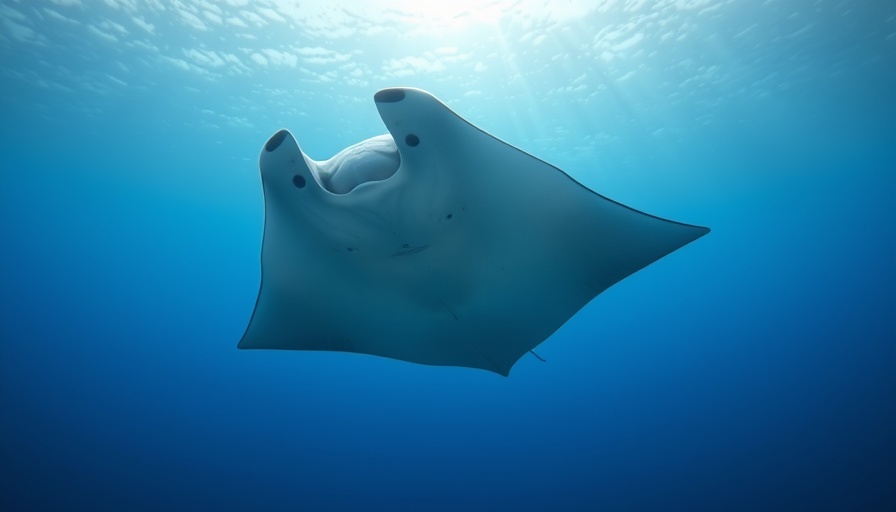
Graceful manta ray gliding through deep blue waters

Unveiling the Creatures of Eilat's Waters

The Gulf of Eilat has recently become a hotspot for marine enthusiasts, revealing unexpected visitors such as manta rays, whale sharks, and even finbacks. In just a short span this month, divers and surfers have had the rare opportunity to spot at least four majestic manta rays and a captivating number of whale sharks, drawing attention from both the scientific community and ocean lovers alike. Recent sightings were reported by Sharks in Israel, a dedicated organization that tracks marine life across the region.

Understanding the Surge of Marine Sightings

What's prompting these extraordinary aquatic sightings? Analysts suggest that various factors might be at play, particularly the deteriorating health of the Red Sea. Environmental shifts, influenced by heavy fishing, tourism, and industrial activities, may be driving these creatures into more populated areas as they search for food and cleaner habitats. Notably, this month also marked the rare appearance of a mobula ray, further signaling changing marine populations.

A Closer Look at the Mobula and Manta Rays

While manta rays are known for their large wingspans and graceful movements, mobula rays, closely related species but less seen in the region, add a unique charm to the narratives of Eilat's waters. According to Dr. Adi Barash of the Steinhardt Museum of Natural History, the unexpected appearance of the mobula ray this month—only its second recorded sighting—illustrates the elusive nature of these creatures and the pressing need for more awareness and research about our marine ecosystems.

The Impact of Human Activity on Marine Life

With so many factors affecting marine health, it raises a crucial question: How can we ensure the protection of such magnificent species? The extensive ship traffic en route to the Suez Canal and ongoing developmental pressures in surrounding countries, coupled with limited conservation efforts, intricately affect marine habitats. Increased awareness could spur more collaborative conservation projects across nations sharing the Red Sea environment.

A Personal Encounter: Marine Life Up Close

Meron Segev, a photographer and passionate diver, recently encountered a massive oceanic manta ray. "It was breathtaking to see such a giant creature gliding through the water,” he explained. Such experiences not only inspire awe but also serve as a reminder of our responsibilities in preserving these environments.

The Future of Eilat's Marine Health

The increased sightings of these majestic creatures point towards an ecosystem that is shifting under the pressures of human activity. Continued monitoring and engagement from both locals and tourists can assist in fostering a greater understanding and appreciation for the delicate balance of marine life in the Gulf of Eilat. It’s essential for the region’s inhabitants and visitors alike to work together to protect this vital habitat.

Exploring the underwater wonders of the Gulf of Eilat opens discussions about environmental awareness, highlighting both the beauty and fragility of marine life. Understanding how human actions and natural changes influence such majestic creatures reinforces our role as guardians of the sea.

wildlife

1 Views

0 Comments

Write A Comment

*
*
Related Posts All Posts
12.21.2025

Discover Ripple: The Great White Shark Making Waves in the Gulf

Update A New Adventure: Great White Shark Ripple's Journey An 11.5-foot great white shark named Ripple is redefining expectations as he ventures deep into the Gulf of Mexico. Weighing nearly 800 pounds, Ripple has captured the attention of marine researchers and beachgoers alike. Tagged by the OCEARCH research group off Nova Scotia, Ripple has embarked on an impressive 2,877-mile journey, pinging off the coast of Apalachicola on December 8, 2025. Understanding Ripple's Migration Patterns Great whites like Ripple often migrate from the cooler waters of New England to the warmer Gulf of Mexico during the winter months. This migration is crucial for their survival, as they seek warmer waters and abundant food sources, notably the smaller fish and marine creatures that thrive in the Gulf's diverse ecosystem. According to OCEARCH researchers, the tracking of sharks like Ripple helps scientists gather important data about their movement patterns and feeding habits, contributing to broader efforts in marine conservation. Ripple’s Significance to Shark Research Ripple's story is not just about an individual shark but highlights the larger movement of great whites within the Atlantic ecosystem. OCEARCH’s mission is to conduct unprecedented research to collect data that was previously unattainable, aiding in the understanding of these majestic creatures. Each shark tagged provides insights that shape our knowledge of marine biology and conservation. Ripple’s name symbolizes a ripple effect in the ocean—a seemingly small disturbance that can lead to significant impacts on marine ecosystems. The Broader Impact of Shark Tracking The public can follow Ripple and other sharks via the OCEARCH shark tracker, fostering a unique connection to marine life and raising awareness about the importance of protecting our oceans. As more people become engaged with these tracking initiatives, it encourages a sense of responsibility for coastal environments. Tracking great white sharks is vital for conservation efforts as it sheds light on their behaviors and habitats, helping to inform policies that can protect them and their ecosystems. Pins and Pings: What It Means to Tracker Followers For boaters and beach enthusiasts, Ripple’s journey is more than a scientific milestone; it represents the thrill of the ocean and the ancient creatures that inhabit it. People who engage with the OCEARCH community can share their excitement and experiences, such as spot-like sightings or educational encounters. Engaging with such data not only enhances the relationship between humans and marine life but also cultivates appreciation for natural wonders. The thrill of spotting a shark can transform from fear to fascination, building respect for these apex predators that play a crucial role in maintaining ocean health. Taking Action for Marine Conservation Ripple’s expedition encourages beachgoers and coastal communities to participate in sustainable practices that protect marine environments. Awareness about the dangerous impacts of pollution and overfishing on shark populations is critical. Active participation in conservation efforts can include volunteering for local beach clean-ups or advocating for responsible fishing practices. By acting locally, individuals can help ensure that these magnificent creatures continue to thrive in our oceans.

12.20.2025

Great White Shark 'Ripple' Brings New Insights to Gulf Waters

Update Ripple Makes Waves in Gulf Ecosystem A remarkable journey has captivated marine biologists and beach enthusiasts alike as an 11.5-foot great white shark named Ripple ventures deep into the Gulf of Mexico. Documented by OCEARCH, Ripple's journey represents some of the first tagged white sharks to travel this far into Gulf waters. Understanding Ripple's Route Tagging data reveals that Ripple has covered a staggering distance of 2,877 miles since being tagged off Nova Scotia. Notably, Ripple pinged off the previously unexplored areas near Pulley Ridge and the Cape San Blas region of Florida, suggesting a developing hotspot for white shark activity. According to Chris Fischer, the founder of OCEARCH, Ripple's migration not only validates predictions about white shark behavior but also provides essential insights into their ecological needs. Scientific Significance of Ripple's Journey Ripple's presence in the Gulf signifies more than just a thrilling marine odyssey; it offers vital data that could enhance conservation efforts. The shark's movements are closely monitored through advanced satellite tracking technology, enabling researchers to validate years of data predictions regarding shark behavior in Florida waters. This data is critical for shaping informed conservation policies aimed at protecting these apex predators. Ripple's Impact on Local Ecosystems The implications of white sharks inhabiting Florida's coastal waters extend beyond scientific interest; they play an essential role in maintaining marine balance. As skilled hunters, great white sharks prey on various fish species, helping regulate population dynamics within their ecosystems. By tracking Ripple's movements, scientists gain a clearer understanding of how human activities, such as fishing and coastal development, affect shark behavior and, subsequently, marine health. The Community's Response Ripple's adventure has sparked excitement among beachgoers and boaters alike. As this shark moves through iconic Florida destinations, local communities are reminded of the ocean's rich biodiversity and the importance of conservation. Ripple serves as a symbol of nature's wonders and the critical need to protect sharks that roam these waters. What’s Next for Ripple? As winter approaches, Ripple's travels will continue to be monitored, with researchers expecting more white sharks to follow in his pioneering tracks. Each ping provides valuable insights into the behavioral patterns of these magnificent creatures, guiding future conservation strategies and fostering a greater appreciation for marine life among the public. In essence, Ripple's journey not only enlightens the scientific community about great white shark behavior but also engages the public, ensuring that awareness and understanding of shark conservation efforts remain at the forefront. To stay updated on Ripple and similar marine adventures, follow the OCEARCH shark tracker online and become part of this amazing oceanic journey!

12.18.2025

Meet Ripple: The Great White Shark Exploring Deeper Waters in the Gulf

Update A Great Adventure: Ripple the Shark's Journey This month, an 11.5-foot great white shark named Ripple has made headlines by venturing into the deeper waters of the Gulf of Mexico. Weighing nearly 800 pounds, Ripple’s journey is not just about travel; it's a fascinating chapter in understanding shark behavior and their unfamiliar habitats. Understanding Shark Migration Sharks are notorious for their isometric migrations, but Ripple has taken a unique route that baffles many marine biologists. Typically found closer to the coasts, great whites can travel vast distances in search of food or warmer waters. Ripple's dive into deeper waters raises intriguing questions about the ecological needs that are driving this behavior. The Impact of Temperature on Shark Movement As the Gulf of Mexico experiences seasonal changes, Ripple’s movement can be linked to temperature fluctuations, which significantly affect marine life. These changes not only guide their migration patterns but also offer insights into how global warming impacts oceanic ecosystems. Sharks like Ripple may adjust their routes to adapt to these environmental shifts, indicating potential health of the ocean and its inhabitants. Sharks in Context: Why This Matters The significance of Ripple’s journey extends far beyond the shark community. For boaters and beachgoers in Florida and beyond, this is a reminder of the vital role sharks play in marine ecosystems. Educating the public about these fascinating creatures can foster an appreciation that leads to better conservation efforts. Engaging the Community: Shark Sighting Awareness For beach lovers and boating enthusiasts, Ripple's journey also highlights the importance of vigilance when engaging in water activities. Understanding the patterns of marine life enables safer experiences at the beach. Additionally, encouraging responsible interaction with marine environments contributes to conservation efforts that protect these majestic creatures. Future Insights: What Lies Ahead for Shark Research The scientific takeaway from Ripple aligns with broader ecological studies, as researchers aim to understand the impacts of environmental changes on shark migration. With ongoing tracking, findings from Ripple’s movements may provide crucial data about the adaptability of sharks in an ever-changing ocean. Conclusion: Join the Conversation As Ripple continues his journey through the Gulf of Mexico, it’s clear that this shark is more than just a predator; he’s part of a larger story that impacts us all. Let’s stay informed and engaged as we watch his journey unfold.

Terms of Service

Privacy Policy

Core Modal Title

Sorry, no results found

You Might Find These Articles Interesting

T
Please Check Your Email
We Will Be Following Up Shortly
*
*
*