
Add Row
Add Element
cropper
update
Gulf Of America Luxury Living
update
Add Element
  • Home
  • Categories
    • luxury
    • homes
    • lifestyles
    • design
    • travel
    • events
    • boating
    • national parks
    • food
    • wildlife
    • Entertainment
    • boating
    • Politics
    • sharks
June 01.2025
3 Minutes Read

The Truth Behind Florida’s Legendary Shark Nicknamed ‘Old Hitler’

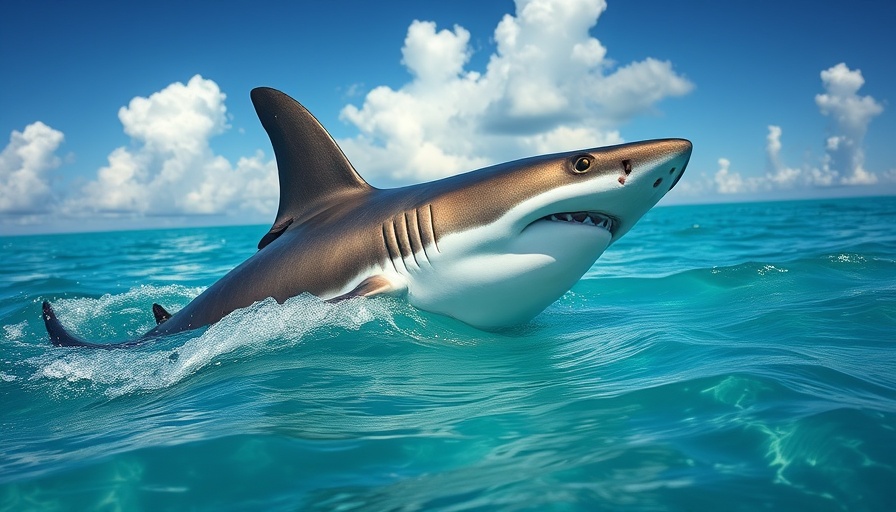
Shark fin in turquoise waters, linked to Florida shark folklore.

The Legend of ‘Old Hitler’: A Uniquely Florida Tale

Florida's coastal waters are home to many legends, but few resonate as memorably as that of a gigantic hammerhead shark known as ‘Old Hitler.’ This massive creature, often described by fishermen and locals alike, is credited with sparking a mix of fear and fascination among its admirers. How did this shark earn such an alarming moniker? It all began during the tumultuous times of World War II.

The Origins of the Nickname

During the height of World War II, coastal waters off Florida were not just known for their recreational allure but also for the lurking threat of German submarines that sunk American vessels. To protect shipping routes, U.S. military blimps patrolled the area, resulting in countless sightings of unidentified objects, many of which turned out to be hammerhead sharks swimming near the surface. Fishermen, reporting these encounters, began to weave an intricate tapestry of tales around these predators, giving rise to the legend that continues to intrigue shark enthusiasts today.

Fisherman Folklore: Scarred Stories

As the war faded, so too did the threat of enemy submarines, but the stories of enormous hammerheads persisted, fueled by fishermen's encounters with large fish that haunted the Gulf Coast. Anglers described a shark that was "as dark as a shadow and covered in scars," suggesting it had fought ferociously against both the sea and man. Reports of machete wounds and even knives stuck in its fin illustrate legends that hark back to encounters with boats and netting incidents. One particularly strange story describes a scar on the shark’s head resembling a swastika, supposedly inflicted during its turbulent life.

The Scientific Realities

Beyond folklore, there is scientific merit to the tales surrounding great hammerhead sharks. Known for their size—often reaching up to 20 feet and weighing over 2,000 pounds—these sharks are indeed a significant presence along Florida’s Gulf Coast. According to the Florida Fish and Wildlife Conservation Commission (FWC), great hammerheads rank seventh for unprovoked attacks on humans, bringing a nuanced reality to the shark lore. Their reputation often frightens beachgoers, but these apex predators play a crucial role in our ocean’s ecosystem.

Cultural Impact and Modern Interpretations

As ‘Old Hitler’ continues to swim through the imaginations of those who venture along Florida's beaches, the cultural implications of such a nickname evoke discussions about perception and fear surrounding sharks. As Shark Week approaches, bringing awareness of both the beauty and the potential danger of these creatures, we find ourselves in a conversation that reaches beyond simple folklore. Are sharks to be feared, or are they essential to the health of our oceans?

Takeaways for Shark Week Enthusiasts

As we immerse ourselves in stories of legendary sharks, it brings to light the importance of understanding these creatures in reality. For enthusiasts, this means recognizing that while tales like ‘Old Hitler’ may thrill, they must also not distract from the conservation issues surrounding shark populations worldwide. Engaging in local discussions and supporting marine conservation can create waves much larger than any single fish tale. So, as you prepare for Shark Week, remember to appreciate the broader implications of these marine titans.

sharks

1 Views

0 Comments

Write A Comment

*
*
Related Posts All Posts
12.22.2025

Meet Ripple: The Great White Shark Taking the Gulf by Storm

Update Great White Shark Ripple Makes Waves in Gulf Waters An 11.5-foot, nearly 800-pound great white shark named Ripple is making headlines as it ventures deep into the Gulf of Mexico. This remarkable journey begins after Ripple was tagged off Nova Scotia by research group OCEARCH back in September. Ripple has traveled an astonishing 2,877 miles since then, showcasing the migratory behaviors typical of his species. The Oceanic Migration Patterns of Great Whites Great white sharks are not mere seasonal tourists; they are intelligent creatures undertaking significant migrations. Each year, they journey south from their summer homes in New England and Atlantic Canada to warmer waters as the colder months approach. Ripple's rapid journey to the Gulf—covering approximately 1,700 miles in just 25 days—underscores this vital aspect of their survival strategy, as they seek out warmer temperatures and more abundant food sources. Understanding Ripple’s Journey: Science Meets Adventure The details of Ripple’s journey can be tracked using satellite technology that OCEARCH utilizes in its groundbreaking research efforts. Each ping from Ripple’s satellite tag represents a vital data point, helping scientists comprehend these majestic animals' migration patterns. This research provides insight into the larger ecological dynamics at play in our oceans. The Importance of Sharks in Ocean Ecology As apex predators, sharks like Ripple play a crucial role in maintaining the balance of marine ecosystems. Their presence ensures healthy fish populations and marine biodiversity. Ripple, despite being a young shark, symbolizes the future of these vital ocean ecosystems. The name "Ripple" reflects both his potential impact and the exciting journey he is undertaking. Future Predictions for Great White Populations With shark populations facing threats from overfishing and habitat loss, understanding and tracking individuals like Ripple is more vital than ever. As conservationists work to strengthen protections for these animals, every bit of data contributes to ensuring a sustainable future for great whites. Scientists are optimistic that through ongoing research, we can better protect these essential players in the marine world. Join the Movement: Follow Ripple and the Sharks Shark Week enthusiasts and marine conservation advocates are encouraged to follow Ripple's journey online using OCEARCH's Global Shark Tracker app. This not only brings awareness to the plight of sharks but also fosters a deeper understanding of the ocean's mysteries. As Ripple continues his voyage, he invites us to ponder our connection to the ocean and the creatures that call it home. Engage with the ocean community by sharing your thoughts on Ripple’s journey and what it means for sharks and marine conservation. Every voice counts in advocating for these magnificent creatures!

12.21.2025

Ripple's Journey: A Deep Dive into Shark Conservation in the Gulf of Mexico

Update The Journey of Ripple: Great White Shark Exploration The Gulf of Mexico is not just a stunning vacation destination; for great white sharks like Ripple, it’s an expansive playground teeming with opportunity. Recently tracked venturing deep into this iconic body of water, Ripple’s journey has sparked interest among marine biologists and shark enthusiasts alike, showing us more about the behaviors and habitats of these apex predators. Why This Matters: Understanding Shark Movements Shark migrations shed light on the health of marine ecosystems. Ripple's trek into the Gulf illustrates how these creatures navigate vast waters, seek out optimal feeding grounds, and migrate. This knowledge is not just fascinating; it can inform conservation strategies to protect shark populations that face increasing threats from climate change, overfishing, and habitat loss. Ripple and the Shark Week Phenomenon Each summer, audiences eagerly anticipate Shark Week, a celebration of these magnificent creatures. Ripple's recent movements serve as a timely reminder of why these documentaries captivate us. They highlight not only the dangers sharks face but also their importance to our oceans. By becoming engaged aware of their habits, viewers can foster a better appreciation for marine life, making conservation efforts more potent. Sharks and Human Activity: A Fractured Relationship The relationship between humans and sharks is complex. On one hand, we fear them; on the other, we are fascinated by them. Ripple’s adventure underscores that the more we understand these creatures, the more we can shift our perceptions. Instead of viewing sharks as villains, we can appreciate their role as vital participants in healthy marine ecosystems. Shark encounters are as much about respect and coexistence as they are about thrilling stories. The Bigger Picture: Environmental Impact and Future Trends As Ripple swims deeper into the Gulf's warm waters, it serves as a symbol of hope. The health of shark populations is a critical indicator of ocean health. With appropriate conservation efforts, we can ensure these predators thrive, thereby protecting the delicate balance of marine ecosystems. Awareness campaigns can amplify this message: when we protect sharks, we protect our oceans. Join the Conversation: What You Can Do Engaging with shark conservation is vital. Whether it’s participating in beach clean-ups, supporting sustainable fishing practices, or simply educating oneself about marine biology, every action counts. Let's ensure the legacy of sharks like Ripple is one of survival and prosperity. Join local conservation efforts, expand the conversation about these magnificent creatures, and help foster a future where humans and sharks coexist harmoniously. By paying attention to the behavior of sharks like Ripple, not only are we uncovering the mysteries of these apex predators, but we’re also reminding ourselves of the vital role we play in their survival. Understanding these relationships can lead to significant changes, making room for a healthier ocean and a balanced ecosystem.

12.18.2025

Great White Shark Ripple's Gulf Ocean Adventure Sparks Conservation Conversations

Update Exploring Ripple's Journey: A Mingling of Nature and MysteryThe great white shark named Ripple is not just another specimen in the ocean; she is breaking boundaries, making headlines all over the research community, and redefining our perspective on shark behavior. Measuring 11.5 feet and weighing nearly 800 pounds, Ripple's recent migration into the Gulf of Mexico is stirring curiosity not just among shark enthusiasts but among conservationists and oceanographers alike.Ripple's Bold Expedition into Uncharted WatersRipple's journey is profound, not merely because she's a great white shark venturing into the Gulf’s warmer waters. This kind of behavior marks a significant shift in shark migration patterns, raising questions about environmental factors and food availability. Great whites have traditionally been tracked along the northern coastlines. Ripple’s expedition could highlight the transformation of marine ecosystems.The Importance of Understanding Shark MovementSharks play a vital role in marine ecosystems, maintaining the balance of their environment. As Ripple moves deeper into the Gulf, researchers are takin notes on her journey, as this could signal changing patterns in prey availability and breeding behaviors. Such notable changes can impact local economies reliant on fishing and tourism, showcasing the interconnectedness of marine life and human activity.Future Predictive Insights and Its ImplicationsAccording to marine biologists, the increased presence of sharks in warmer waters could indicate a shifting climate, altering habitats for myriad species. With coastal communities vulnerable to such changes, scientists stress the importance of ongoing research. This knowledge could potentially empower beachgoers, fishermen, and policymakers to make informed decisions about marine conservation.Ripple's Influence on Shark Conservation InitiativesThe fascination with Ripple’s journey also serves to highlight the essential work of organizations like OCEARCH, who strive to track and study great whites. Their efforts, supported by public interest—especially during events like Shark Week—drive funding toward vital conservation initiatives. Ripple is not only a shark; she is also a symbol of marine awareness, inspiring young enthusiasts to invest in ocean conservation efforts.As Ripple continues her expedition in the Gulf of Mexico, we are reminded of the depths of connection that exist between humans and marine life. This journey serves not just as an expedition of a great white shark, but as a reflection of our responsibility to protect the world’s oceans. Embrace this moment—let’s push for meaningful conservation efforts and awareness at our beaches and beyond, for Ripple and her kin.For those passionate about sharks, understanding their movements and the environmental factors surrounding them is key to maintaining healthy oceans. Stay informed and engaged as we observe Ripple's ongoing journey, and consider how we can contribute to shark conservation efforts.

Terms of Service

Privacy Policy

Core Modal Title

Sorry, no results found

You Might Find These Articles Interesting

T
Please Check Your Email
We Will Be Following Up Shortly
*
*
*